
Remodeling a home to ensure accessibility is a pivotal step in creating a space that is inclusive, comfortable, and accommodating for individuals with disabilities or mobility challenges. Here are some essential features to consider when planning an accessible home remodel:
One of the first considerations is providing easy access from the outside. Ramps with gentle slopes are crucial for wheelchair users and individuals with limited mobility. They should have handrails for additional support and be constructed with non-slip materials.
Standard doorways are often too narrow for wheelchairs and walkers. Expanding doorways to at least 36 inches wide can greatly enhance accessibility. This adjustment allows for smoother transitions between rooms and reduces the risk of injury.
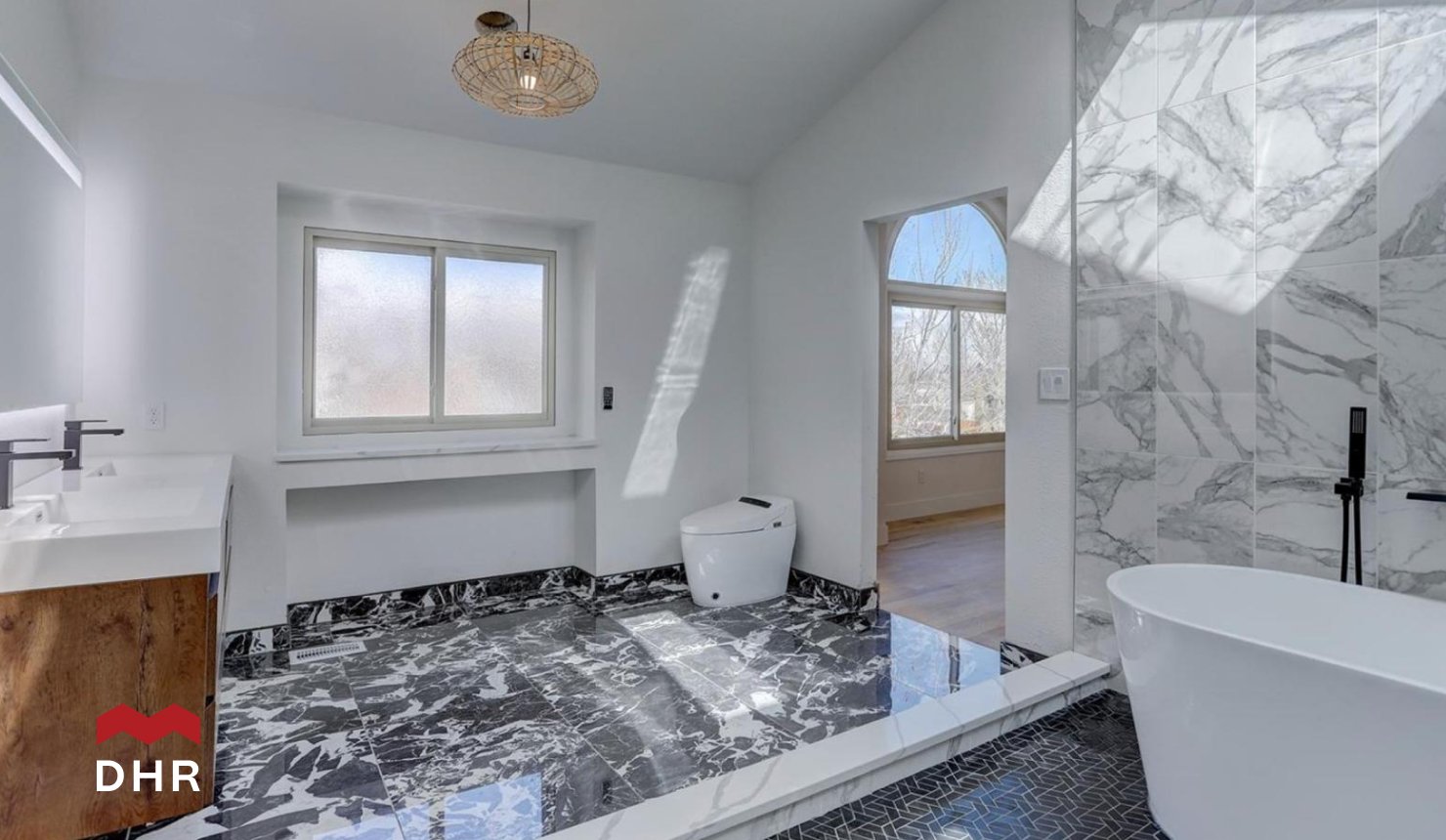
Roll-in showers are essential for individuals who use wheelchairs. These showers should have a low threshold or be completely level with the bathroom floor, equipped with grab bars, a handheld showerhead, and a built-in shower bench.
Installing grab bars near the toilet, shower, and bathtub provides stability and support, reducing the risk of slips and falls. These should be securely anchored and positioned at convenient heights.
Sinks and vanities should be accessible to both seated and standing individuals. Lowering them and ensuring there is clear space underneath for wheelchair users to comfortably roll up can significantly improve usability.
Countertops should be lowered to a height that is comfortable for wheelchair users, typically around 34 inches. This adjustment ensures that preparation tasks can be performed more efficiently and safely.
Opt for appliances with front controls and side-opening doors. Wall ovens, side-by-side refrigerators, and cooktops with staggered burners are great choices for an accessible kitchen.
Installing pull-out shelves and drawers in cabinets and pantries can make items more accessible. These features reduce the need for reaching and bending, making kitchen tasks easier to manage.
An open floor plan with minimal obstructions allows for greater maneuverability. Ensure there is adequate space for wheelchairs and mobility aids to navigate freely.
Adjustable-height furniture, such as tables and desks, can accommodate individuals with varying needs. Consider furniture on wheels for easy rearrangement and flexibility.
A bed that is lower to the ground can be easier to access for individuals with mobility issues. Adjustable beds can also provide additional comfort and support.
Lowering closet rods and installing pull-down racks can make clothing and personal items more accessible. Ensure there is enough space for a wheelchair to maneuver within the closet area.
Integrating voice-activated systems can greatly enhance independence. These systems can control lighting, temperature, security, and entertainment devices, making daily tasks more manageable.
Automated door openers allow doors to open and close with the push of a button or through voice commands, providing easier access throughout the home.
Accessible lighting controls should be installed at reachable heights for all users. Consider motion-sensor lights and dimmable switches to accommodate varying needs and preferences.
Place electrical outlets at higher levels to avoid the need for bending down. This adjustment ensures that individuals with limited mobility can easily access power sources.
Non-slip flooring materials, such as rubber, cork, or textured tiles, provide better traction and reduce the risk of falls. These materials are also softer underfoot, making them more comfortable for individuals with joint issues.
Eliminate thresholds between rooms to create a smoother transition for wheelchairs and walkers. This modification helps prevent tripping hazards and enhances overall mobility within the home.
Ensure that pathways leading to and around the home are wide enough for wheelchairs and have a smooth, even surface. Ramps and handrails should be installed where necessary.
Raised garden beds and planters at accessible heights allow individuals with limited mobility to enjoy gardening. Consider installing benches and shaded areas for comfort.
Creating an accessible home remodel involves thoughtful planning and attention to detail. By incorporating these features, you can ensure that your home is welcoming and functional for all individuals, regardless of their mobility or physical limitations. The goal is to create a space where everyone can live independently, safely, and comfortably.