
In an age where indoor air quality is becoming increasingly important, having air purifying plants in your home can be a simple and effective way to enhance your environment. These plants can help remove toxins, improve oxygen levels, and create a more pleasant and relaxing atmosphere. Here, we explore some of the best air purifying plants that you can bring into your home for a fresher, healthier living space.
Indoor plants do more than just beautify your home; they also offer a range of health benefits. They can absorb harmful pollutants, release fresh oxygen, and even help to regulate humidity levels. Some plants are particularly adept at removing toxins like formaldehyde, benzene, and trichloroethylene, which are commonly found in indoor environments.
Plants act as natural air filters, absorbing pollutants through their leaves and roots. This can lead to a significant improvement in indoor air quality, making your home healthier and more comfortable.
Having plants around can reduce stress and anxiety, improve mood, and even boost cognitive function. The presence of greenery has been linked to increased feelings of relaxation and well-being.
Certain plants release oxygen at night, which can improve sleep quality. Plants like the Snake Plant and Aloe Vera are known for their nighttime oxygen-producing capabilities.
Here are some of the most effective air purifying plants that you can incorporate into your home:
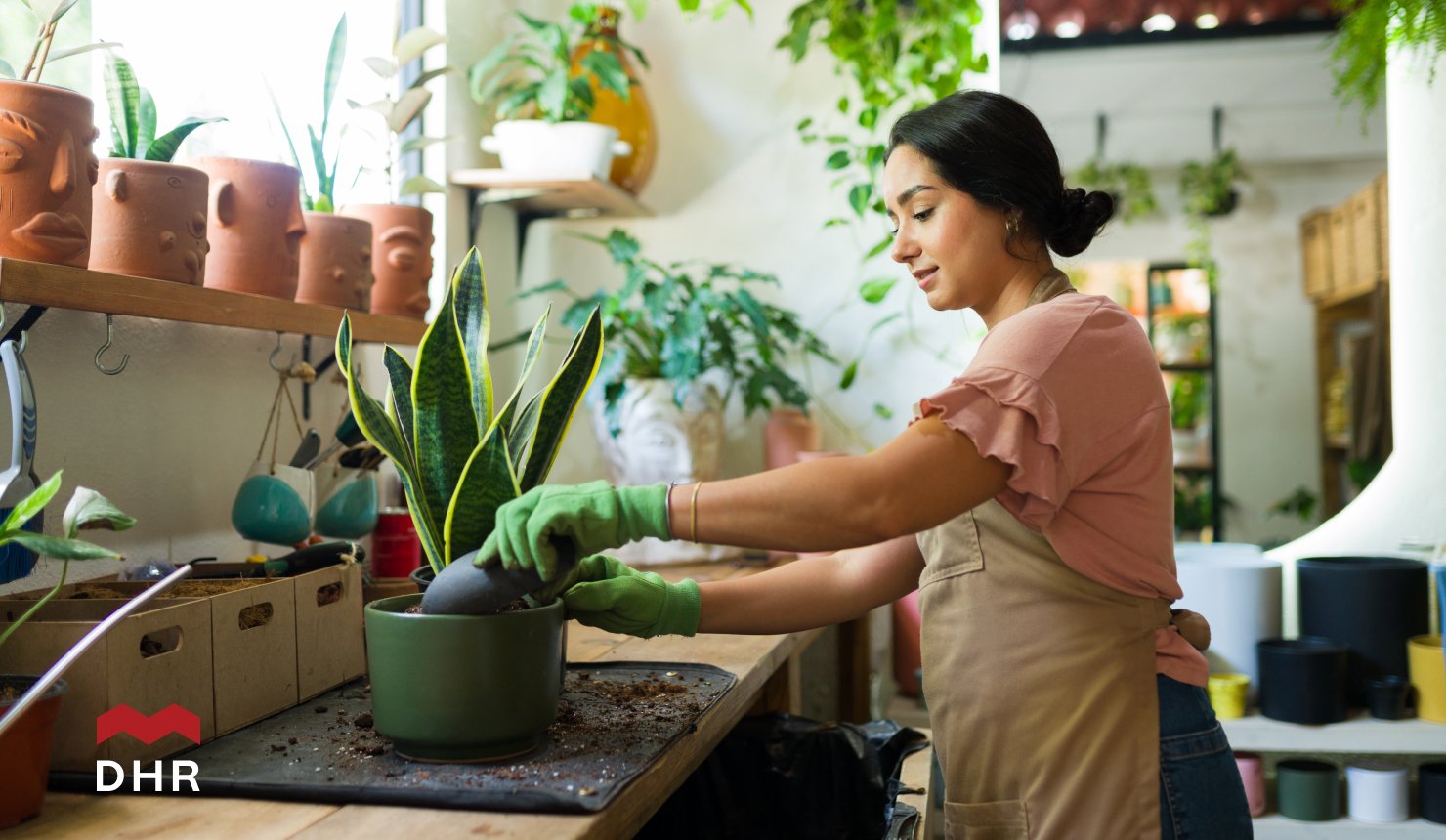
The Snake Plant, also known as Mother-in-Law's Tongue, is one of the best plants for improving indoor air quality. It is highly efficient at absorbing toxins like formaldehyde and benzene. It is also a low-maintenance plant that thrives in low light and requires minimal watering.
The Peace Lily is not only beautiful but also highly effective at purifying the air. It can remove pollutants such as ammonia, benzene, and formaldehyde. Peace Lilies prefer indirect light and high humidity, making them perfect for bathrooms and kitchens.
Aloe Vera is a popular plant known for its medicinal properties, but it is also excellent at purifying the air. It can help remove formaldehyde and benzene, which are by-products of chemical-based cleaners and paints. Aloe Vera prefers bright, indirect sunlight and minimal
watering.
The Spider Plant is a resilient and easy-to-grow plant that can remove pollutants like
formaldehyde and xylene. It is a great choice for beginners and can thrive in a variety of lighting conditions.
Boston Ferns are excellent at removing formaldehyde and xylene from the air. They prefer cool, humid environments and indirect light. Regular misting is recommended to keep these ferns healthy.
English Ivy is effective at reducing airborne fecal particles and mold. It can thrive in a variety of conditions but prefers indirect light and regular watering. This plant is particularly useful in bathrooms.
The Rubber Plant is known for its ability to remove toxins like formaldehyde from the air. It thrives in bright, indirect light and prefers to be watered when the soil is dry to the touch.
Proper care is essential to ensure that your air purifying plants remain healthy and effective. Here are some tips to help you take care of your indoor plants:
Overwatering is a common mistake that can lead to root rot and plant death. Make sure to water your plants according to their specific needs and allow the soil to dry out between waterings.
Different plants have different lighting requirements. Some thrive in bright, indirect light, while others can tolerate low light conditions. Make sure to place your plants in appropriate lighting to promote healthy growth.
Most indoor plants prefer temperatures between 60-75°F (15-24°C) and humidity levels between 40-60%. Keep your plants away from drafts, heating vents, and air conditioners to maintain a stable environment.
Use well-draining soil to prevent waterlogging and provide your plants with the necessary nutrients. Fertilize your plants during their growing season (usually spring and summer) to support healthy growth.
Incorporating air purifying plants into your home is a natural and effective way to improve indoor air quality. Not only do these plants help remove harmful toxins, but they also enhance the aesthetic appeal of your living space and contribute to a healthier environment. By selecting the right plants and providing proper care, you can enjoy the numerous benefits that air purifying plants offer.